
low emissivity glass
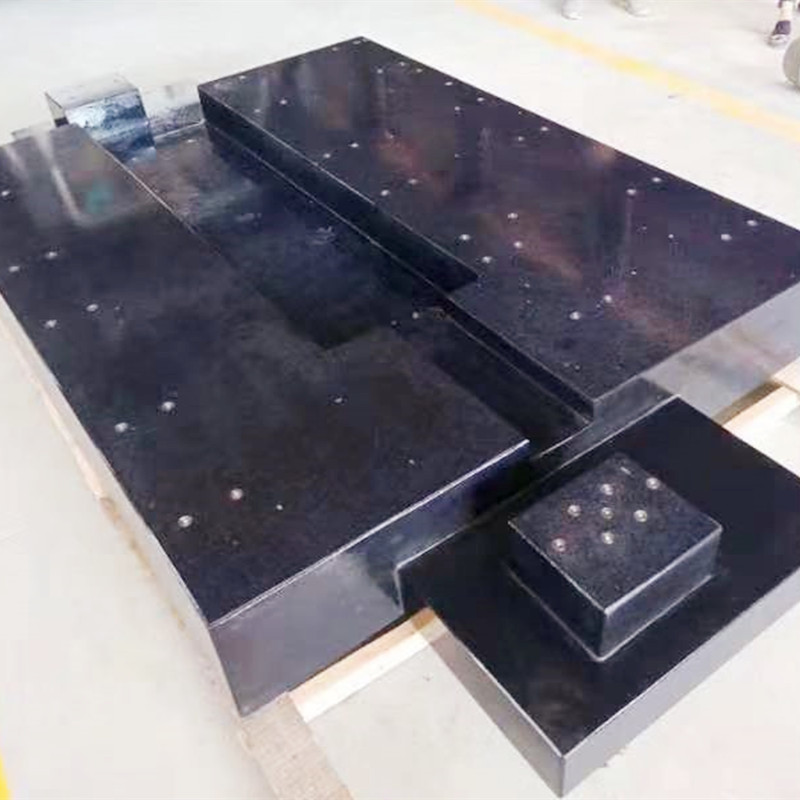
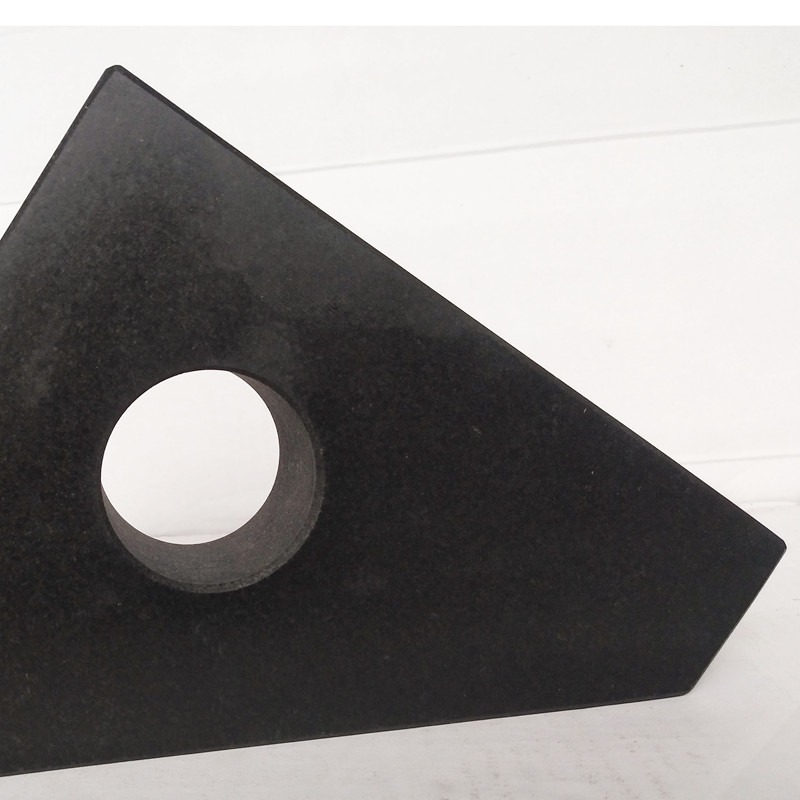
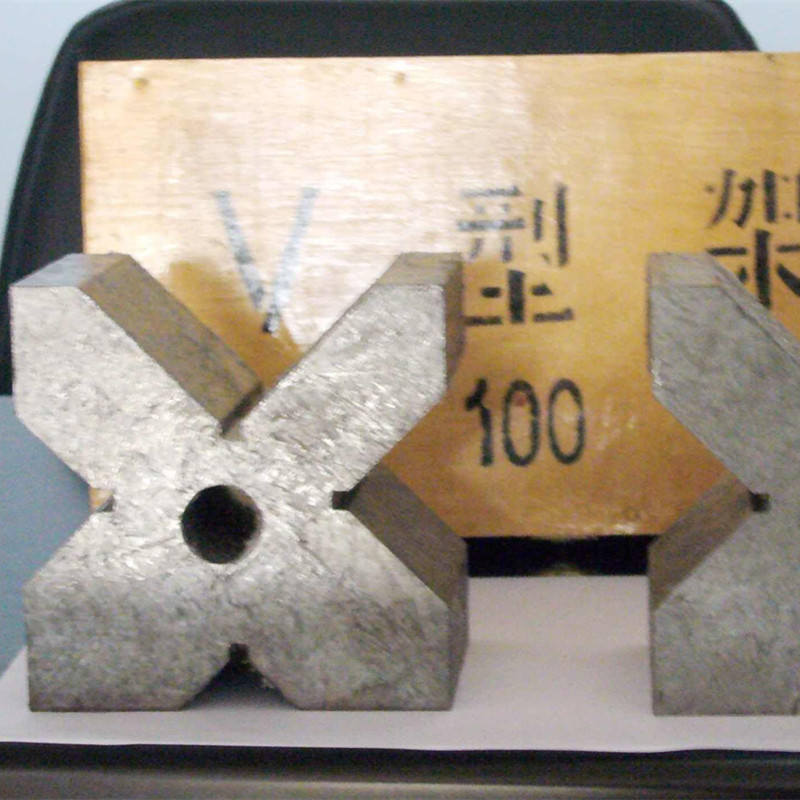
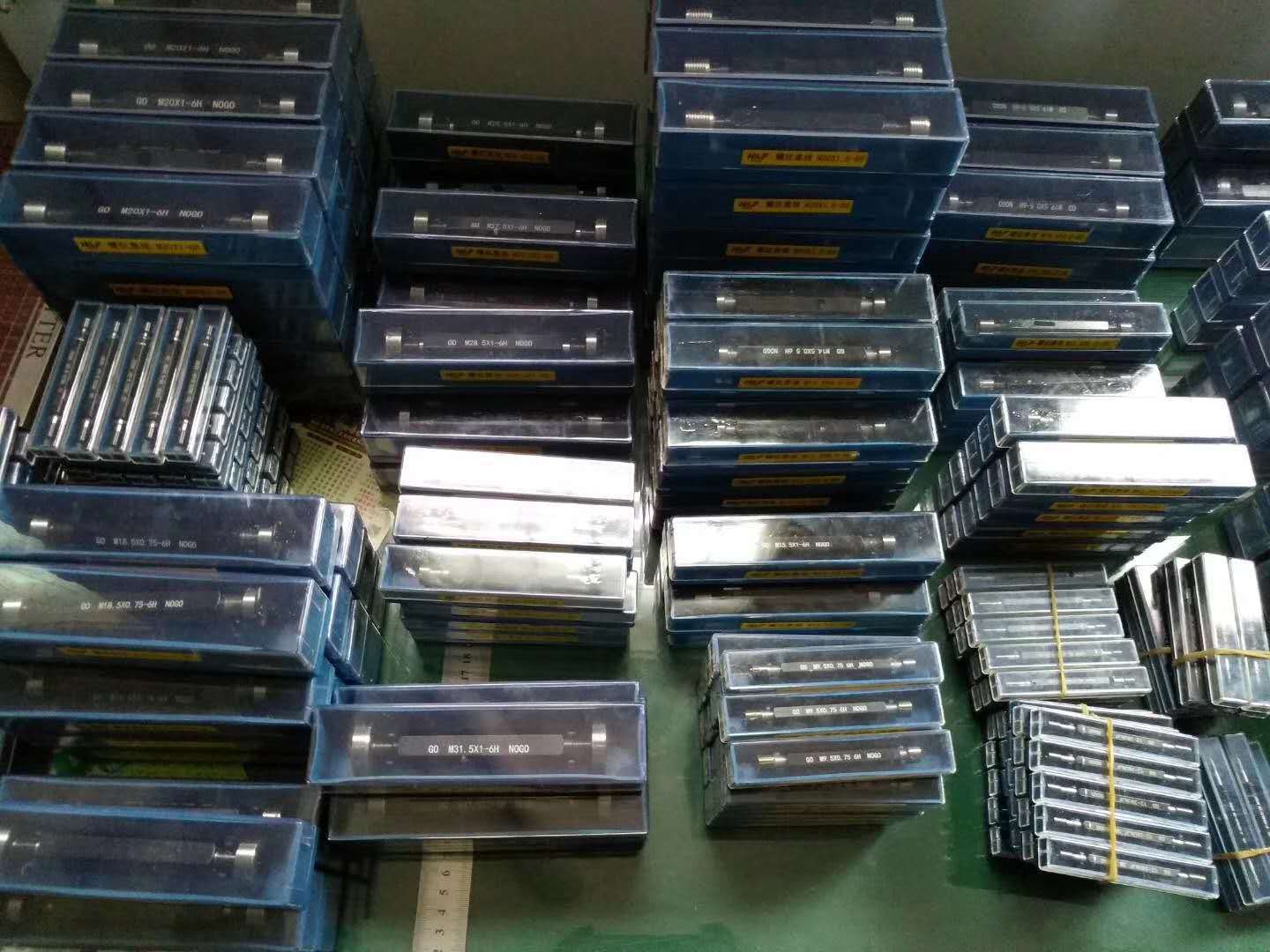
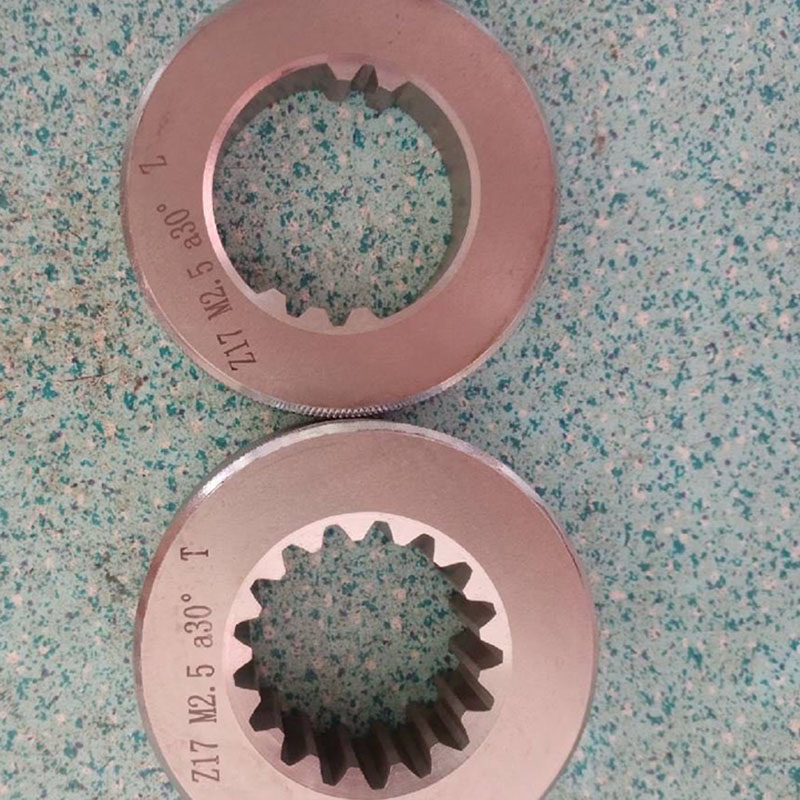
Understanding Precision Gauges The Key to Accurate Measurements Precision gauges are indispensable tools in various industries, including manufacturing, engineering, and quality control. These instruments are designed to provide highly accurate measurements of dimensions, tolerances, and alignments, ensuring that products meet stringent quality standards and specifications. At the heart of precision gauging is the need for accuracy and consistency. Traditional measuring instruments, such as rulers and calipers, can only provide a limited level of precision. In contrast, precision gauges utilize advanced technologies that allow for measurements to be taken with minute accuracy, often down to microns or thousandths of millimeters. This level of precision is crucial for industries such as aerospace, automotive, and electronics, where even the slightest deviation can lead to malfunctioning parts or compromised safety. There are various types of precision gauges, each tailored to specific measuring tasks . For instance, depth gauges are used to measure the depth of holes or slots, while thickness gauges assess the thickness of materials. Other common types include dial indicators, which provide readings of small linear distances; snap gauges, which check the external dimensions of components; and sine bars, which are utilized for measuring angles. These instruments often incorporate high-quality materials and sophisticated designs, ensuring durability and reliability in demanding environments. precision gauge One of the significant advantages of using precision gauges is their ability to enhance productivity and efficiency. In manufacturing settings, where time is often equated with money, having precise measurements helps prevent waste and rework. When each component can be measured accurately, it minimizes the chance of errors that could lead to costly production delays or recalls. Furthermore, precision gauges facilitate consistent quality assurance processes, as they enable operators to quickly verify that products meet the required specifications. The calibration of precision gauges is another vital aspect that ensures ongoing accuracy. Regular calibration against known standards is crucial to maintain the reliability of these measuring instruments. Calibration practices may involve comparing the gauge's measurements with those of a certified standard or utilizing specialized calibration equipment. By adhering to strict calibration schedules, manufacturers can ensure that their measurements remain consistent over time, bolstering confidence in their quality control processes. In conclusion, precision gauges are essential tools that play a critical role in modern manufacturing and quality assurance. Their ability to deliver accurate and consistent measurements directly impacts product quality, operational efficiency, and safety. As industries increasingly rely on precision engineering to meet their regulatory and performance standards, the value of precision gauges will continue to grow. Investing in high-quality gauging instruments and practices not only enhances measurement accuracy but also ensures that businesses stay competitive in an ever-evolving marketplace. As technology advances, it is likely that precision gauges will become even more sophisticated, offering improved features and functionalities that further streamline measurement processes.
about
low emissivity glass
The Significance of DN80 Gate Valves in Industrial Applications Gate valves are critical components in various industrial applications, serving as essential mechanisms for controlling the flow of liquids and gases within pipelines. Among the different sizes and types of gate valves, the DN80 gate valve holds particular significance due to its versatile capability and reliability in numerous settings. What is a DN80 Gate Valve? The designation DN80 refers to the nominal diameter of the valve, which measures 80 millimeters. This specification is part of a standardized system for measuring valve sizes, allowing for consistent communication and compatibility across different manufacturers and applications. Gate valves, including the DN80 variant, are characterized by their ability to provide a straight flow path, minimizing pressure drops and turbulence, which is vital for maintaining efficient operations in fluid management. Design and Functionality The design of a DN80 gate valve includes a wedge-shaped gate that moves vertically within the valve body. When the valve is fully opened, the gate is completely out of the flow path, allowing for minimal resistance to the fluid passing through. This design makes gate valves particularly suitable for applications where the flow needs to be either fully on or fully off, rather than throttled or regulated. Typically made from materials such as cast iron, stainless steel, or brass, DN80 gate valves are chosen based on the specific requirements of the application, including pressure rating, temperature tolerance, and the chemical nature of the fluid being controlled. The sealing surfaces of the gate are often coated with resilient materials to improve durability and longevity while minimizing the risk of leakage. Applications of DN80 Gate Valves DN80 gate valves are widely used across various sectors, including gate valve dn80 1. Water Supply and Wastewater Treatment In municipal water systems, DN80 gate valves control the flow of water in distribution networks. Their ability to provide a tight seal and prevent backflow is crucial in maintaining water quality and supply. 2. Oil and Gas In the oil and gas industry, DN80 gate valves are employed in pipelines and processing facilities to isolate sections for maintenance. Their robust construction is suitable for handling high-pressure and corrosive substances, making them indispensable in this sector. 3. Chemical Processing Given their ability to handle aggressive chemicals, DN80 gate valves find applications in plants where large volumes of chemical reactions occur. Their reliable sealing capabilities help prevent leaks and ensure safety in potentially hazardous environments. 4. HVAC Systems In heating, ventilation, and air conditioning (HVAC) systems, DN80 gate valves are utilized to control the flow of air and fluids. Their durable design and reliable performance make them suitable for both residential and industrial HVAC applications. Benefits of Using DN80 Gate Valves One major advantage of DN80 gate valves is their longevity and low maintenance requirements. When properly installed and maintained, these valves can operate effectively for many years, which reduces the need for replacements and repairs. Furthermore, their simple design allows for easy operation, even in challenging environments. Additionally, DN80 gate valves can be equipped with various actuation options, including manual handles, electric actuators, or pneumatic systems, providing users with flexibility in operation according to their setup's needs. Conclusion In conclusion, the DN80 gate valve is a fundamental element in many industrial settings, offering reliable flow control for liquids and gases. Its robust design, versatility across applications, and ease of maintenance make it a preferred choice among engineers and industry professionals. The importance of investing in high-quality DN80 gate valves cannot be overstated, as they contribute significantly to the efficiency and safety of various processes. Whether in water treatment, oil and gas, chemical processing, or HVAC systems, DN80 gate valves continue to play a crucial role in supporting infrastructure and operational excellence across industries.
-

High quality industrial productsagement

High quality industrial products
View Details -

Meet the diverse needs of customers

Meet the diverse needs of customers
View Details -

Strict quality control

Strict quality control
View Details -

Top raw materials

Top raw materials
View Details -

Trusted supplier

Trusted supplier
View Details
Our application

news and information
Valvola di ritegno al 6% per applicazioni industriali e resistenza ottimale
Valvole di Controllo al 6% Importanza e ApplicazioniLe valvole di controllo sono elementi fondamenta
Valvola a sfera da 150 mm - Alta qualità e prestazioni
Valvola a Vite da 150mm Un Eccellente Strumento per il Controllo del Flusso La valvola a vite da 150
y type strainer with drain valve
Understanding Y-Type Strainers with Drain Valves The Essential Component for Fluid Management In var
 English